
Best Hyperpigmentation Treatment in Bhubaneswar: Causes, Solutions & Expert Skincare Tips

People of all ages are affected by the prevalent skin condition known as hyperpigmentation. It appears as dark patches or uneven skin tone caused by excess melanin production in the skin. While it is usually harmless, it can impact confidence and overall skin appearance. Fortunately, modern dermatology offers advanced treatments to reduce pigmentation and restore clear, radiant skin. Clinics like UBÊAU Clinic in Bhubaneswar provide professional solutions designed to treat hyperpigmentation safely and effectively.
In this guide, we explore the causes, treatment options, and expert skincare tips to help you achieve healthier, brighter skin.
What Is Hyperpigmentation?
When the skin generates too much melanin, the pigment that gives skin its color, it results in hyperpigmentation. This leads to darker patches or spots on the skin. These patches may appear on the face, neck, hands, or other sun-exposed areas.
Common types of hyperpigmentation include:
Melasma – Hormone-related pigmentation often seen on the cheeks, forehead, and upper lip.
Post-Inflammatory Hyperpigmentation (PIH) – Dark spots left behind after acne, cuts, or skin irritation.
Sunspots (Solar Lentigines) – Dark patches caused by prolonged sun exposure.
Although pigmentation can fade gradually, professional dermatological treatments often provide faster and more effective results.
Common Causes of Hyperpigmentation
Understanding the root cause of pigmentation is essential for choosing the right treatment. Possible causes include:
· Sun Exposure
Excessive exposure to ultraviolet (UV) rays stimulates melanin production, leading to sunspots and uneven skin tone. This is one of the leading causes of pigmentation worldwide.
· Hormonal Changes
Hormonal fluctuations during pregnancy or while taking contraceptive pills can trigger melasma, a common type of facial pigmentation.
· Acne and Skin Inflammation
Acne, eczema, or skin injuries can leave dark marks once the skin heals, a condition known as post-inflammatory hyperpigmentation.
· Medications and Medical Conditions
Certain medications, vitamin deficiencies, or endocrine disorders may also cause changes in skin pigmentation.
· Aging and Environmental Factors
Pollution, smoking, and natural aging can gradually affect melanin production, resulting in uneven skin tone.

Best Hyperpigmentation Treatments in Bhubaneswar
Dermatologists at UBÊAU Clinic assess the depth and source of pigmentation before suggesting customized treatment regimens. Among the best solutions are:
1) Chemical Peels
Chemical peels remove damaged skin layers and encourage cell turnover by using moderate acids like salicylic or glycolic acid. This helps fade pigmentation and improve skin texture.
Benefits:
Reduces dark spots
Improves skin glow
Smoothens uneven texture
2) Laser Pigmentation Treatment
Laser therapy targets excess melanin in the skin and breaks down pigmentation deposits. This treatment is ideal for stubborn or deep pigmentation.
Benefits:
Precise and targeted treatment
Faster results compared to creams
Stimulates collagen production
Laser procedures such as Q-switched or fractional lasers are commonly used for pigmentation removal.
3) Medical-Grade Skincare
Dermatologists may recommend topical treatments with components such:
Hydroquinone
Retinoids
Vitamin C
Azelaic acid
Kojic acid
These ingredients help reduce melanin production and gradually lighten dark spots.
4) Microdermabrasion
This non-invasive treatment gently exfoliates the outer layer of the skin, helping remove pigmented cells and stimulate new skin growth.
Benefits
Improves skin brightness
Reduces mild pigmentation
Minimal downtime
Customized Combination Treatments
For severe pigmentation, dermatologists often combine treatments such as peels, lasers, and prescription skincare for better results.
At UBÊAU Clinic, advanced technology and dermatologist-guided treatments ensure safe and effective pigmentation removal tailored to individual skin types.
· Expert Skincare Tips to Prevent Hyperpigmentation
Even after treatment, maintaining a proper skincare routine is essential to prevent pigmentation from returning.
· Use Sunscreen Daily
Apply a broad-spectrum sunscreen with SPF 30 or higher every day to protect the skin from UV damage.
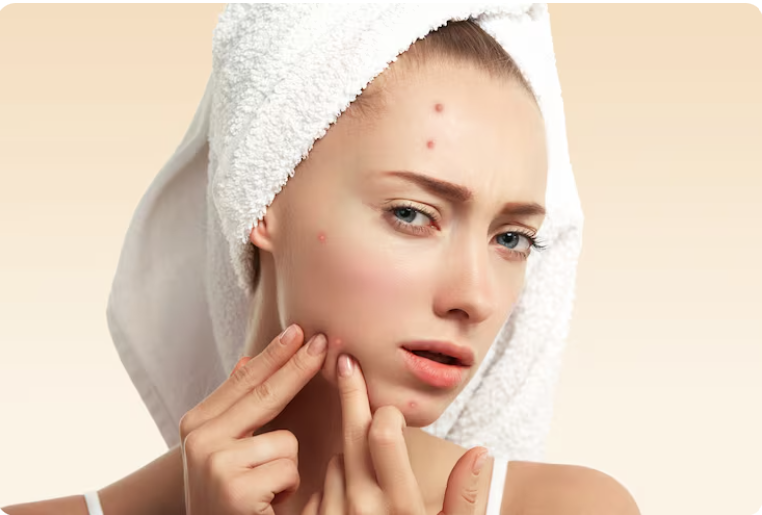
· Avoid Picking Acne
Picking pimples or wounds can lead to dark spots after healing.
· Follow a Consistent Skincare Routine
Include ingredients like vitamin C, niacinamide, and retinol to support skin renewal.
· Stay Hydrated and Eat Antioxidant-Rich Foods
Vitamins A, C, and E can support healthy skin and reduce pigmentation.
· Visit a Dermatologist Early
Early treatment prevents pigmentation from becoming deeper and harder to treat.
Why Choose UBÊAU Clinic for Hyperpigmentation Treatment?
UBÊAU Clinic in Bhubaneswar is known for providing advanced dermatology and aesthetic treatments with personalized care.
Key advantages:
Experienced skin specialists
Advanced laser and dermatology technology
Customized treatment plans
Safe and clinically proven procedures
Focus on long-term skin health
If you have sunspots, acne blemishes, or melasma, the experts at UB¢AU Clinic provide specialized treatments to restore clear, healthy skin.
FAQs About Hyperpigmentation Treatment
Q1. How long does hyperpigmentation treatment take?
Most treatments require multiple sessions. Visible improvement can appear within 4–6 weeks depending on the severity of pigmentation.
Q2. Is laser treatment safe for pigmentation?
Yes, when performed by qualified dermatologists, laser treatments are safe and effective for reducing deep pigmentation.
Q3. Can hyperpigmentation return after treatment?
It can return if proper skincare and sun protection are not followed. Using sunscreen daily helps maintain results.
Q4. Which treatment is best for acne pigmentation?
Chemical peels, medical skincare, and laser treatments are commonly recommended for post-acne pigmentation.
Q5. Do pigmentation creams really work?
Dermatologist-prescribed creams with ingredients like retinoids, hydroquinone, and vitamin C can help lighten pigmentation gradually.
Book a Free Consultation Today
If you are struggling with dark spots or uneven skin tone, professional treatment can make a significant difference. At UBÊAU Clinic in Bhubaneswar, expert dermatologists analyze your skin condition and recommend the most effective treatment for long-lasting results.
Book your FREE consultation today and take the first step toward brighter, even-toned skin.


Comments